GA4 changed how your traffic sources read: Source Group, the AI Assistant channel, and what to review this month
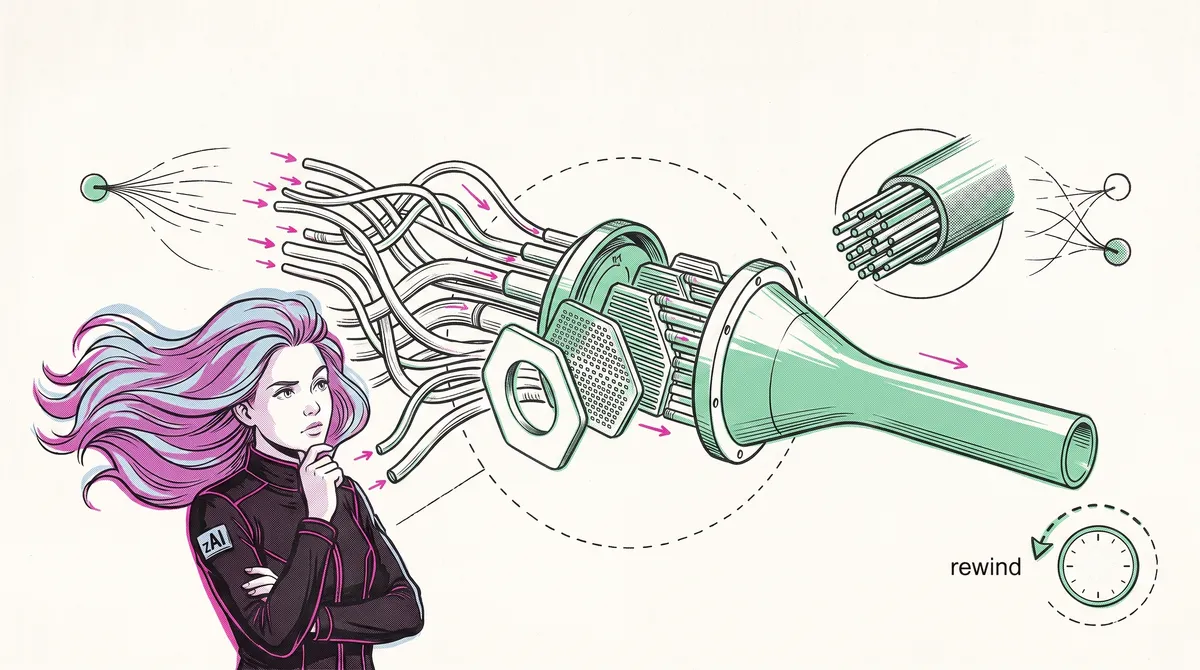
On June 11, 2026, the Google Analytics release notes announced three things: a new dimension called Source Group, consolidated values for Source Platform, and a hostname filter to exclude events that do not come from approved domains. The one that changes how reports read is the first. Source Group does natively what data teams have been doing by hand for years: it groups the fragmented variants of the same source under a single value. Where facebook, fb, m.facebook.com and Meta-facebook used to live as four separate rows, there is now one that says "Facebook". Same for the Instagram, TikTok and Pinterest variants. At launch it covers around ten platforms: Facebook, Instagram, TikTok, Pinterest, Amazon, YouTube, Google Search, Google Maps, ChatGPT and Perplexity. Google's rationale, quoted by ppc.land, is blunt: "a single value for a given source is vital for performance and attribution analysis".
The detail that turns the announcement into operational news is that the dimension is retroactive: it was populated over each property's full history. That has a good side and an uncomfortable one. The good side: year over year comparisons on the new dimension are internally consistent, because the past was consolidated with the same rule as the present. The uncomfortable side: that consolidated past no longer matches what the same report showed a month ago. Per-source rankings for any period moved without the market moving at all. "Why did Facebook suddenly grow?" is a question that will show up in more than one reporting meeting, and the correct answer has nothing to do with Meta: four rows that used to split the volume are now one.
Just as important is what did not change. Source Group operates below channel grouping: it normalizes raw source strings, nothing more. Default Channel Grouping stayed intact: nothing moved between Referral or Unassigned and Organic or Paid Social. The dimension you already use (source/medium) did not disappear either: Source Group is a new dimension that gets added, not a replacement, so old reports remain reproducible. For the paid layer, the new dimension is read in a pair with Source Platform: "Instagram" in Source Group and "Meta Ads" in Source Platform tell the ad apart from the profile; on organic traffic, Source Platform now shows "(unlabeled)".
Three changes, three timelines
Source Group did not arrive alone, and that is the quarter's reading trap. On May 13, GA4 had added the default "AI Assistant" channel for ChatGPT, Gemini and Claude referrals (medium ai-assistant), broadly rolled out by June 7. That change is forward-only: historical AI traffic stays in Referral, which left the series split in two and frustrated more than a few analysts. Then on June 15 came the consent restructure: ad_storage becomes the single gate and the Signals toggle is retired. Of the three, this is the only one that can move real volumes, in audiences and remarketing on Ads-linked accounts, rather than just changing how rows are grouped.
The most expensive mistake this month is attributing a movement in the numbers to the wrong change. These are three different timelines: one retroactive change that reorders the past (Source Group), one forward-only change that splits a series (AI Assistant), and one operational change that can actually alter quantities (consent). Any pre/post analysis across June that does not separate the three is measuring the mix. On the magnitude of the consent impact there is no public data yet: the honest move is to treat it as a factor to isolate with annotations, not something to estimate by feel.
What gets simpler and what does not
The concrete win of Source Group is that it kills years of manual normalization: the Looker Studio CASE statements that mapped facebook variants, the mapping sheets every team maintained its own way. That layer can start to come down, with two limits worth checking before deleting anything. First: the normalization covers those ten platforms, not all of your traffic. The newsletter, niche referrals and partners remain as fragmented as ever, so the manual layer shrinks but does not die; tearing it all down before verifying what falls outside is rushing it. Second: Source Group merges paid and organic per platform, the "Instagram" row lumps the ad spend with the profile, and separating layers requires the pair with Source Platform. And UTM hygiene still determines quality at the campaign level: Source Group normalizes the source, it does not fix broken UTMs.
One practical detail: the rollout is gradual. The quick way to know whether your property already has the dimension is to search for "Source group" in the dimension picker in Explorations or Looker Studio; if it does not show up, it has not arrived yet and this note works as preparation, not as today's task.
The AEM read
ChatGPT and Perplexity sitting on the launch list next to Facebook and YouTube is not a technical footnote: it is Google treating answer engine traffic as a structural acquisition category, with normalization out of the box. We already wrote about the rise of Answer Engine Marketing back when ChatGPT was the question rather than a row in the report; this is the measurement infrastructure catching up with that thesis. Between the AI Assistant channel and Source Group, GA4 now ships the scaffolding to answer "how much traffic does ChatGPT send me" without plugins or regex gymnastics. It is worth opening those rows this month even if the volume is small: at this stage the slope matters more than the level.
What to review in your properties this month
None of this requires touching configuration to work, which raises the reasonable question of why lift a finger at all. The answer: doing nothing breaks nothing, but it leaves every reporting conversation from June onward without an explanation at hand. What we recommend reviewing is short. First, annotate June 11 and June 15 wherever the team documents changes: GA4's native annotations and the dashboard changelog, so any pre/post stays explainable. Second, verify whether the property already has the dimension and only then simplify the manual normalization, running both layers in parallel until you confirm which sources fall outside. Third, rebuild source views on the Source Group plus Source Platform pair, which is where the new dimension pays off without losing the paid/organic split. Fourth, do not touch custom channel groups or UTM conventions: they remain the quality system at the campaign level. Fifth, use the new hostname filter to clear spam and dev traffic once and for all. And look at the ChatGPT and Perplexity rows, even if they are small today.
Who this is for (and who it is not)
For a small team reporting with GA4 and Looker Studio, the immediate win is retiring artisanal normalization, on the condition of checking availability first and not deleting the manual layer until you know what the dimension covers and what it does not. For a scaled operation with YoY reporting to a CMO or board, the value is in armoring the explanation: annotations on the property, views built on the new dimension pair, and a ready answer for why the rankings moved. If the team already normalizes with strict UTMs, this adds no new signal; it adds less maintenance and one source of confusion to manage exactly once. For a corporate structure with compliance, the change worth escalating internally is not Source Group but the June 15 consent restructure, because it touches audiences and remarketing and because legal will ask; with no public magnitude data, the defensible position is to annotate the date and isolate the factor in any analysis that crosses June. And for teams already debating whether GA4 is still their source of truth (a tension we touched on in our PostHog note), this does not settle the debate: it makes it more interesting, because GA4 just improved at exactly the thing it was most criticized for.
What we don't know
Google has not published the definitive list of covered platforms or an expansion plan, so it is unclear whether the long tail of sources will ever get normalized or whether the launch ten are the ceiling for a good while. There is no public rollout timeline per property either. On the consent change there are no public measurements of the impact on audiences and remarketing: any number circulating right now is anecdote. And it is not documented how the new dimension interacts with pre-existing custom filters and normalizations in heavily customized properties; there, the parallel run is the only safety net.
This content was developed with AI assistance and reviewed by the Zenda team. The bad ideas are 100% ours.